I ask myself, how do I come to know? Well for many of us, it is a rather unconscious activity that we do and don’t stop twice to think about it. Some call this ‘self-taught’ and it comes naturally; others simply get off the sofa and go after their curiosities. Now it would seem like this could be a genuine integration for or with homeschooling children regardless of parental intentions or reasons for teaching their offspring outside of a public school system.
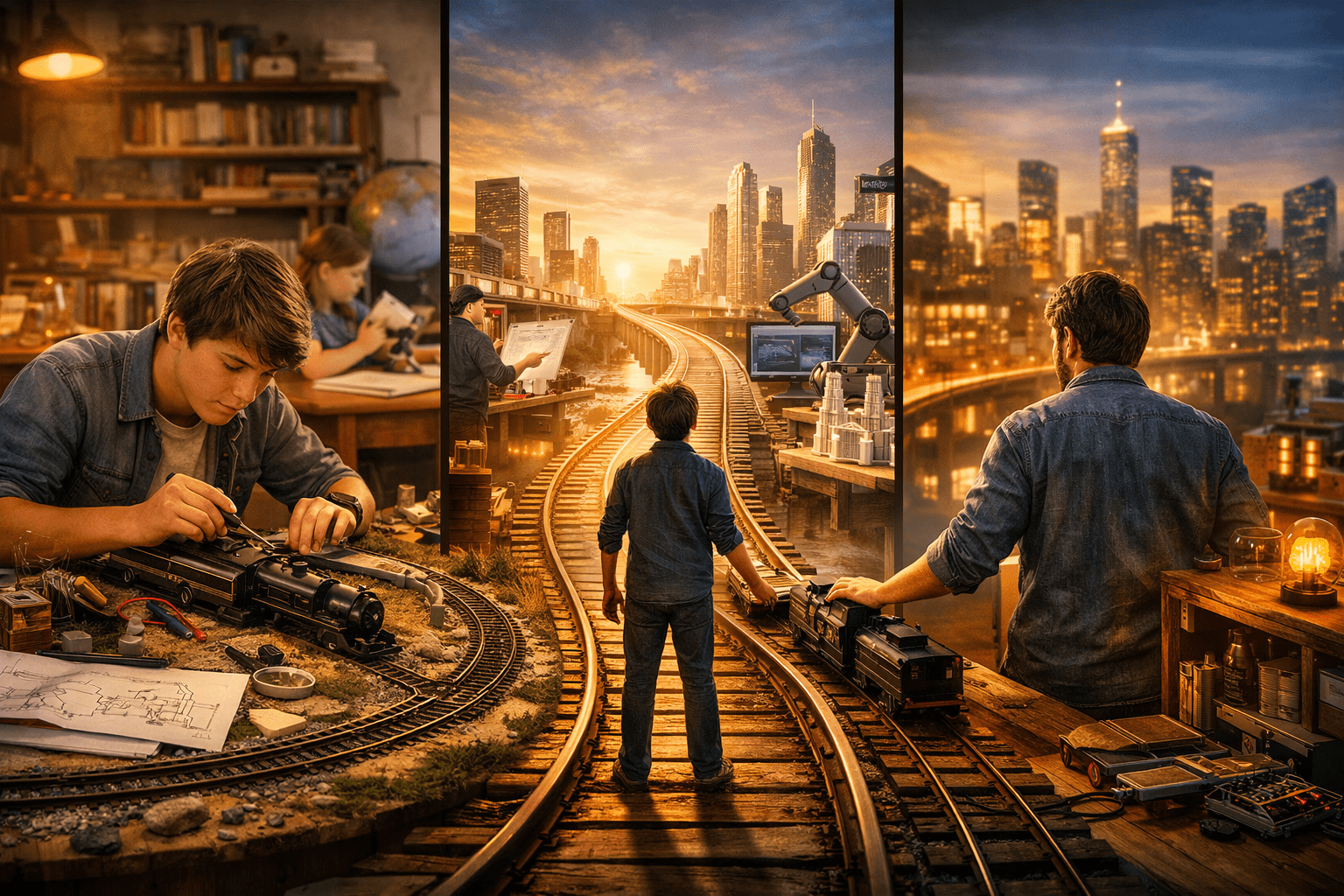
Given the increase by families that want the best for their kids, homeschooling can be really challenging and I need not list the ways. Challenges can somewhat be relieved when kids take it upon themselves to engage in the self taught mindset. But that takes a good amount of discipline on the part of the individual student and long term the self-control or self-discipline may vary widely.
Perhaps the most common thing we see when kids graduate from their high school are the indecisions as what they want to do in life. It could be as simple as not knowing what to major in if and when they go to college. Or, take a trade school for example, in many family situations children may follow in a parent’s footsteps to take up a trade and perhaps the reason they do is because of the exposure they may have had going to work with Mom or Dad. Or, inheriting a family business. And this may or may not lead to happiness.
While I am not the expert when it comes to education or the administration of any type of schooling system, I have been thinking about several ideas for a long time, several of which come together and have a degree of common sense. First and foremost is a desire to share in the joy of having a hobby and one that is so universal in coverage like model railroading. Second, the idea that it would seem like the hobby would be appealing to STEM students. The connection is a natural one. STEM students could be the new blood that joins in and grows the hobby. The wave of 3D printing hobbyists or those in the makerspace also have common links to STEM programs.
However, getting students interested to engage in STEM curriculum is perhaps too daunting for many because you know, things that require discipline can be hard and not so much fun.
There are common tabulations of the differences between homeschooling education and public school educations. Both homeschooling and public school education share a common limitation: in most implementations, the rigor is visible — students know they are being taught, and some resist it for that very reason. The ideal is to make the rigor invisible. By this I mean you can learn things, develop skills, be a critical thinker, be creative and innovate without knowing you’re doing the rigor and be happy because someone exposed the student to an informal honest craft leading a young person to fall in love with thinking. Known as the “Stealth STEM” principle: the rigor is always present, but it arrives in disguise. The student’s first question is always a hobby question. The answer always requires a STEM skill. Neither is or should be announced in advance.
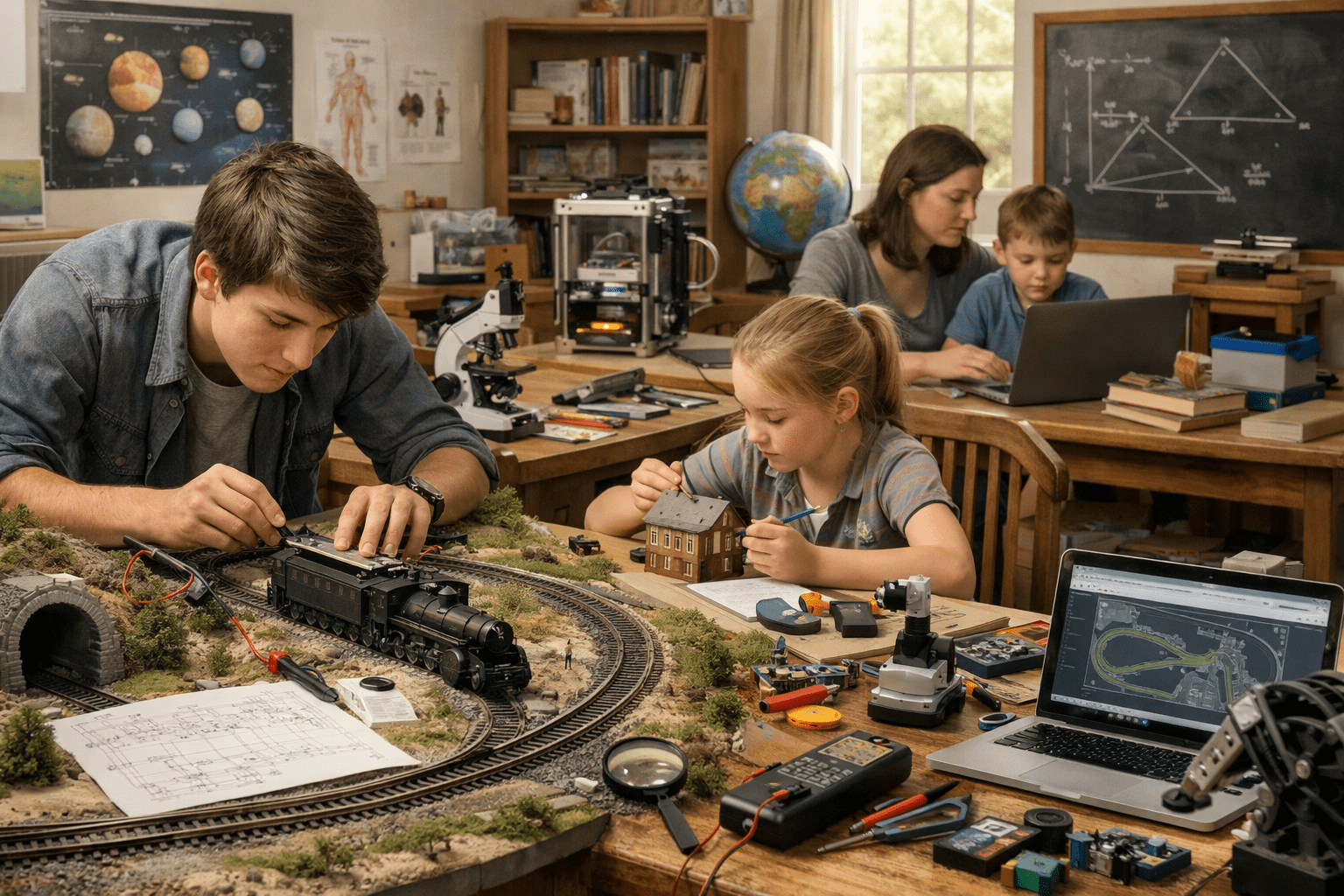
Thus, let us formalize what we are calling Finding Your Track — A Discovery Curriculum for STEM Thinkers Built Around O Scale Model Railroading.
This is the big idea around the Stealth STEM concept. Most young people who will become engineers, technicians, architects, programmers, and scientists do not know it yet. They know they like taking things apart. They know they like figuring out why something broke. They know they get genuinely annoyed when a plan doesn’t work and they can’t figure out why. They know that building something with their hands and having it actually work feels better than almost anything else. They just don’t connect any of that to a career or a field of study — because nobody has shown them the connection.
This curriculum is built on a single principle: the connection between hobby and profession should be discovered, not announced. A young person who is told “this is really math” will disengage. A young person who is trying to figure out why their locomotive keeps stalling on the curve will stay up past midnight measuring track gauge, checking voltage, and eventually — without knowing it — learning Ohm’s Law. The O Scale model railroad is the vehicle. Critical thinking is the destination. The student barely notices the journey.
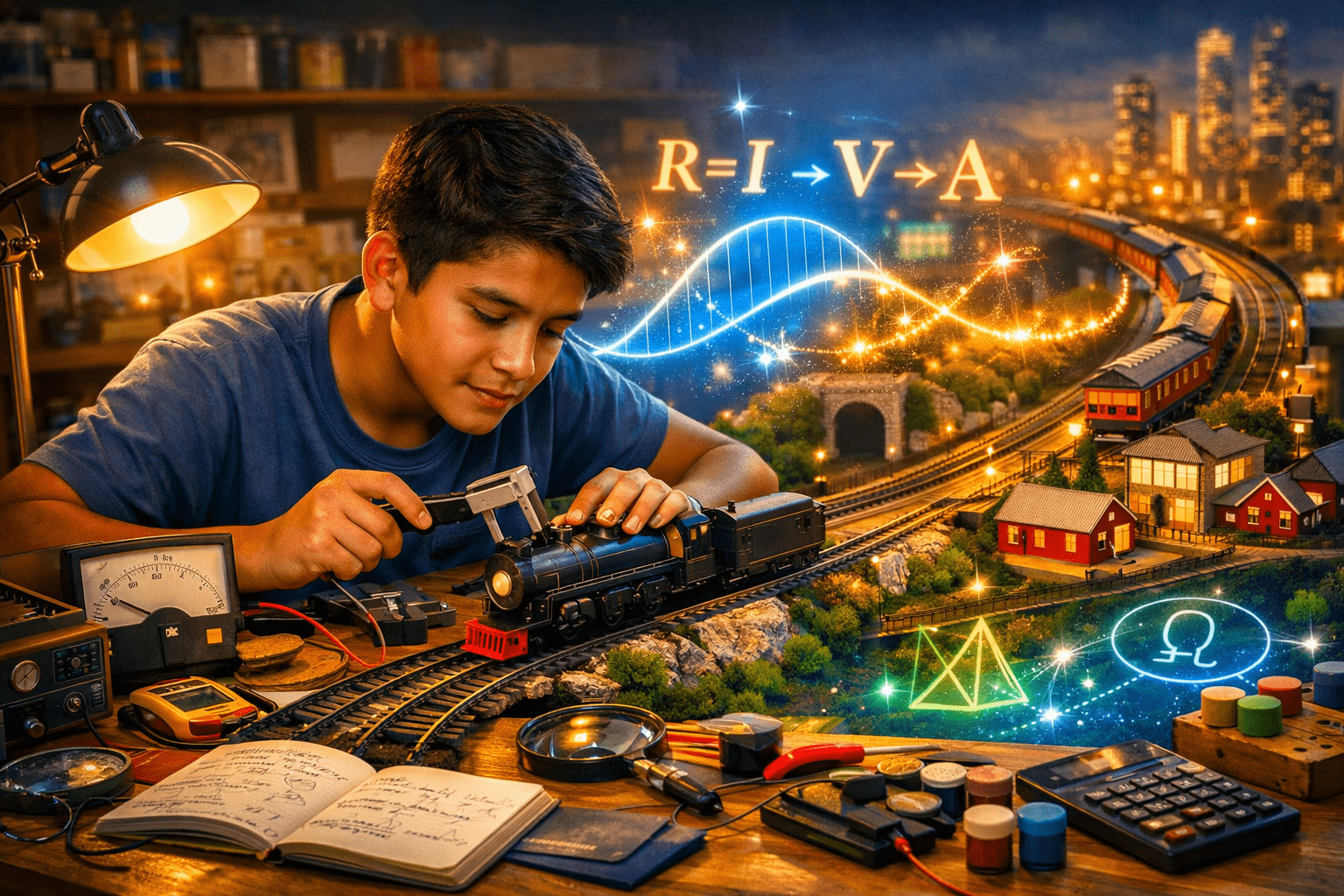
If this exposure happens through the grades, a student just might have a pretty good idea about what they would enjoy doing in their professional life after attending school.
What I really have not seen or come across are grade level Next Generation Science Standards (NGSS) hobby integrated lesson plans. A lesson plan gives the structure and guidance and what is needed, i.e., content, produced to professional educational standards, is what opens doors at school districts and museums — because it speaks the language administrators and curriculum coordinators require. And lesson plans perhaps is also a good resource for parents home schooling their children.
We have prepared a number of sample grade level lesson plans that take into account the Stealth STEM idea of invisible rigor. These plans have not been reviewed or refined by experts or committees for optimal refinement for results. However, there is reason to believe implementation could positively affect engagement and achievement.
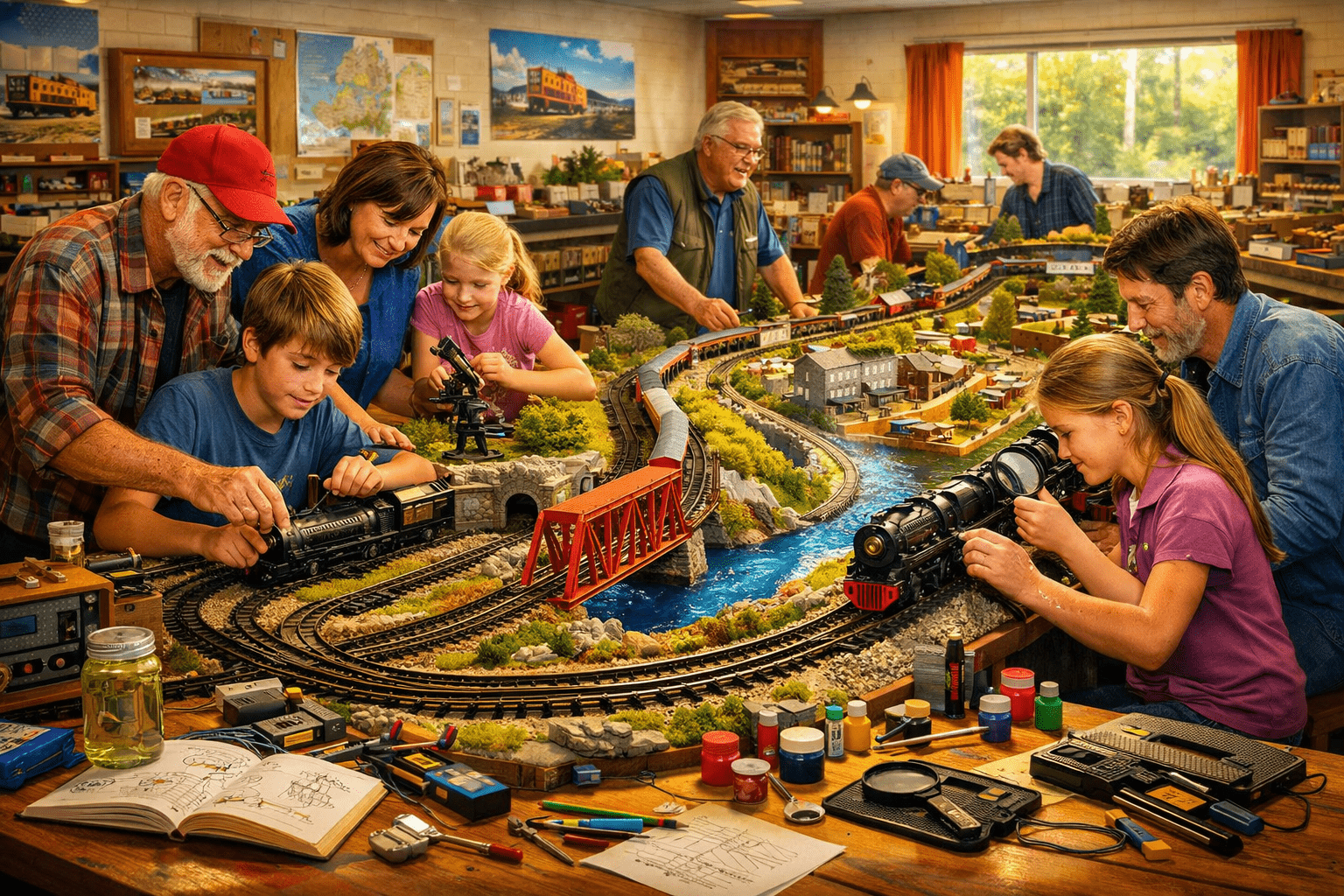
Homeschoolers benefit from the many cooperatives already working with families at the local level — and from another little-known resource: the local Model Railroad Club, a living laboratory where independent learning and self-taught curiosity are already the culture, not the exception. Clubs already exist across the country with eager mentors and a ready-made laboratory-like environment — the club layout itself.
Finding Your Track Discovery Curriculum PDF Click Here
Finding Your Track Parent Mentor Guide PDF Click Here